
Internet of Things (IoT) Sensors and Applications Primer
Download the Full Whitepaper (PDF)Executive Summary
Key Takeaways:
- IoT sensors are enabling real-time data collection across industries, improving visibility and control.
- Applications include smart cities, industrial automation, logistics, healthcare, and environmental monitoring.
- Reliable connectivity infrastructure is essential for uninterrupted data transmission.
- IPv6 adoption supports the growing number of connected devices.
- Data analytics and cloud integration turn raw sensor data into actionable insights.
- Scalability and interoperability are critical for long-term IoT success.
- Proper sensor selection and deployment planning reduce operational risks and improve efficiency.
Introduction
The world of Internet-of-Things (IoT) technology is vast and growing. Not only are there new applications, use cases, and technology continually emerging, there are also many legacy sensor and monitoring technologies that are being converted, retrofitted, or replaced by IoT. This trend touches on virtually every electrical and electronic application, as well as applications that were formerly mechanical, hydraulic, or pneumatic that are being replaced with electrical/electronic actuation and sensing. One of the key components to this IoT eruption are electronic sensors. Enabling internet connectivity and cloud services with electronic sensors has created a data revolution and expanding investment and effort in developing new solutions with these connected sensors.
This white paper is written as a primer covering the various IoT sensor technologies. Though not exhaustive, this paper does contain descriptions and listings of a large portion of IoT sensor technologies, with some guidance on the use of these sensors and their limitations. Given the diversity of IoT sensors and the thousands of manufacturers, the whole breadth of IoT sensor technology is beyond the scope of this paper, however, efforts are made to draft this paper in a way that provides a good foundation with key terms and descriptions that should aid readers in their journey on discovering and learning about IoT sensors.
Types of IoT Sensors
Essentially IoT sensors are any sensor with an output that can be converted to electrical signals that can then be digitized and streamed/stored. The process of providing connectivity for these sensors with internet, intranet, and cloud services is outside of the scope of this paper, which focuses on the sensor technologies themselves. There are several major classifications of IoT sensors, as follows:
- Environmental
- Atmospheric
- Physical
- Visual
- Electric
- Electromagnetic
- Chemical
- Biological
These classifications are based on the type of analog/real-world information that the sensors are designed to detect and quantify. For example, environmental sensors are designed to capture information on environmental conditions where the sensors are installed, such as temperature, pressure, relative humidity, etc. There are some redundancies in these classifications, as some IoT sensor technologies overlap a few of these categories. Temperature sensors are an example of a sensor type that can fit into several categories, such as environmental, atmospheric, and biological.
Recommendations
To maximize the value of IoT sensor deployments, organisations should begin with clearly defined use cases and align sensor selection with operational goals. Ensuring robust and scalable connectivity is essential, as unreliable networks can limit the effectiveness of even the most advanced sensors.
Adopting standardized solutions and planning for future scalability will help avoid costly redesigns as deployments grow. Additionally, integrating IoT data with cloud-based analytics platforms enables deeper insights, supporting predictive maintenance and automation.
Environmental & Atmospheric Sensors
Environmental and atmospheric sensors are used to provide useful measurements of environmental, ambient, or nearby atmospheric conditions. There are a wide range of these types of sensors, as there are many environmental and atmospheric factors that can be usefully measured. In a way, environmental weather measurements were one of the first IoT sensor applications, with early weather data being sent over local intranets, radio, etc. Included in this section are also air/water quality sensors. These local environmental sensors are often used to measure local water/air conditions, as well as personal water/air, such as pool water and in- house air quality.
Air/Water Quality, Suspended Particulate, and Smoke Detectors
Air and water quality sensors typically need to be submerged or suspended in the water/air environment they are meant to measure. This usually means that the sensors are designed to be water resistant or have some type of airflow channel/fan to allow for the ambient air to pass across the sensor surface or transducer features. These types of sensors are often factory calibrated and deliver one of several different types of readings based on the particular standard or reporting approach used for a type of application. For instance, water quality sensors for home pools may deliver different reading styles and units than water quality sensors for natural fresh/saltwater sources.
Water Quality Sensor Types
- Chlorine residual
- Total organic carbon (TOC)
- Turbidity
- Conductivity
- Saline content
- pH or acidity
- Oxygen-reduction potential (ORP)
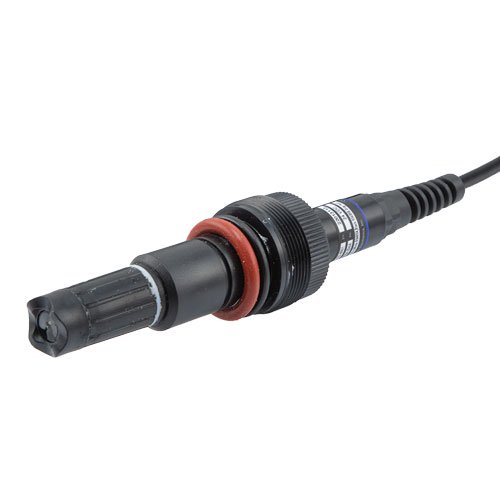
Dissolved Oxygen Sensor
Relative Humidity
Relative humidity (RH) is a common measurement made based on the water vapor content of the ambient air around the IoT sensor. It is often important to know the RH and temperature around certain types of electrical and electronic systems, especially cooling systems, as at certain temperatures and RH levels water can condense, this is known as the dew point. Certain systems can be damaged if there is too much water condensation, so they are often programmed to avoid maintaining certain low temperatures at high RH levels.
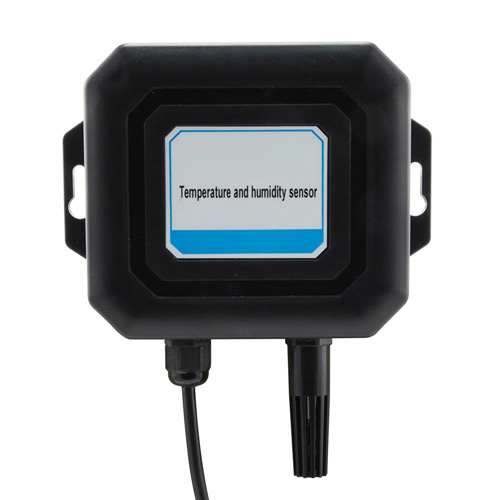
Temperature & Relative Humidity Sensor
Temperature
Temperature sensors measure the ambient or spot temperature of the air or the thermal energy radiating from a targeted object. Temperature sensors are key to many IoT systems to prevent overheating, but also to monitor a variety of other conditions of electrical and electronic equipment. Temperature sensors are also used in environmental measurements and can be used to coordinate electronic cooling and cooling resource allocation in large buildings/campuses.
Types of Temperature Sensors
- Infrared
- Thermal Camera
- Thermocouples
- Resistor Temperature Detectors (RTD)
- Thermistors (thermally sensitive resistor)
- Semiconductor Diode
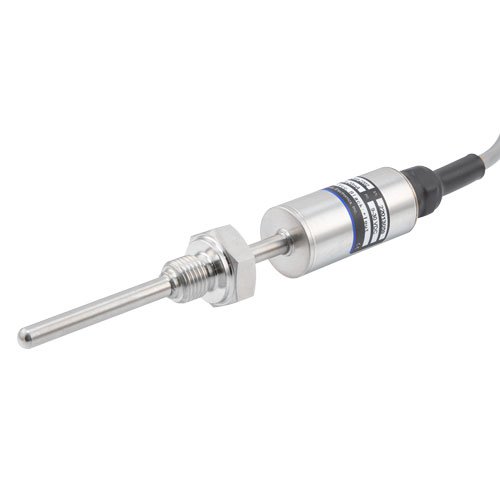
Infrared Temperature Sensor
Pressure & Barometers
Pressure sensors measure the atmospheric pressure or internal pressure of a contained system. Examples include a barometric pressure gauge, the pressure sensor in a pneumatic system, or a hydraulic pressure sensor. Pumped water pressure sensors are also commonly used to ensure that the pump maintains adequate pressure without over cycling.
Types of Pressure Sensors
- Pneumatic
- Hydraulic
- Pumped water
- Atmospheric/barometric pressure
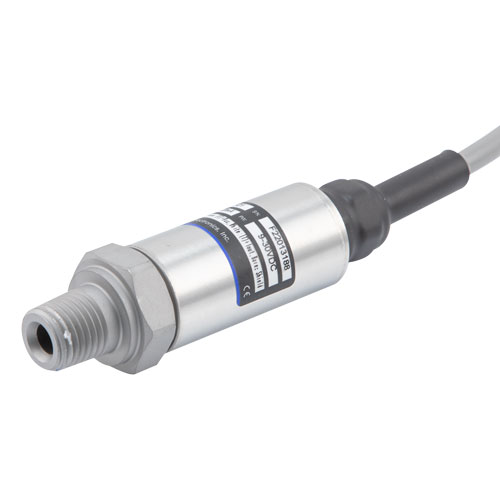
Integrated Pressure & Temperature Sensor
UV
Ultraviolet (UV) light sensors are atmospheric sensors that measure the severity of UV light received at ground level from solar radiation. The UV index is an important environmental measurement to help prevent skin diseases associated with UV light exposure and sun burns. Many IoT weather stations make use of UV index sensors for this reason.
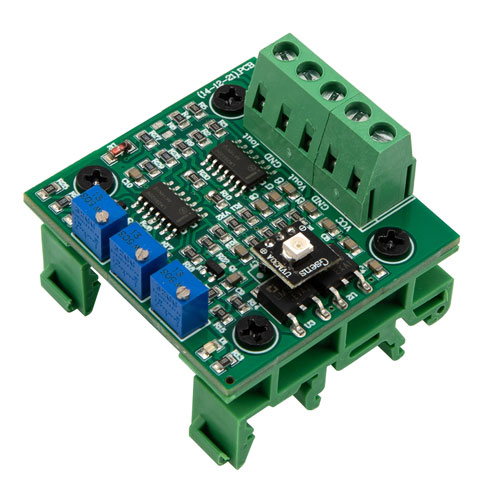
UV Sensor Module
Rain Sensors
Rain sensors measure the rain volume over time at a certain location. There are several different methods of rain detection and volume measurement. The most common are water collection basins, but there are other methods that do not require volumes of water to be held.
Types of Rain Sensors
- Water collection basins
- Conductive sensors
- Hygroscopic disk
- Freeze sensors
Air Speed Sensors
Air speed sensors are calibrated sensors that measure the air velocity in a single location. These are also very common sensors used in weather stations. Many IoT sensor kits for weather stations include these sensors as air speed is a critical measurement for determining local weather.
Physical (Kinetic) Sensors
Physical IoT sensors are a suite of sensor types that detect physical objects, kinetic forces, and quantities of materials. Typically, physical sensors require changes in external physical forces that induce a response on the sensor. These sensors are often used to measure acceleration, motion, level/tilt, pressure, torque, load, changes in material/quantity state, and acoustic/vibrational energy.
Accelerometers
One of the most ubiquitous physical IoT sensors is an accelerometer. Now accelerometers are compact microelectromechanical (MEMS) devices that are combined into compact, integrated circuit (IC) modules. Hence, it is relatively straightforward to incorporate accelerometers in a variety of IoT platforms. Accelerometers detect and measure the acceleration that the sensor module is exposed to. Many accelerometers are made to detect acceleration in multiple axes simultaneously, which can also be used to determine the orientation of the sensor in a prevailing gravitational field, such as on the earth’s surface where most IoT applications currently exist.
Accelerometers are also useful for use in dead-reckoning devices and for use when GPS or other global navigation system (GNS) signals are unavailable.
Gyroscopes
Gyroscopes or gyro sensors, sense the changes in angular velocity of the sensor module. Gyroscopes are useful for determining the rotation angle of an object over a unit of time and can be used to detect the direction of rotation as well as rotational vibration. Most gyro sensors can also be used to detect angular acceleration and can be used as a reference and to provide navigational stability. Like accelerometers, gyroscope sensors are generally sold as compact ICs and are MEMS devices that only require power and communications> hence, it is also easy to incorporate gyro sensors on many IoT platforms. These sensors are especially useful for IoT platforms that experience motion.
Level Detection, Material/Fluid/Liquid Level, & Tilt
Level and tilt detection systems are commonly used sensors in material handling and with motion equipment as a safety feature. Generally, level detection applies to the measure of the physical level of a platform according to a reference plane. Tilt sensors are much the same as a level sensor but tend to only apply to a single axis of rotation. It is important for these sensors to be carefully calibrated while the platform they are mounted on is level to avoid extraneous level/tilt warnings or inaccurate measurements.
Another type of level sensor is a material or fluid level sensor, which are used to detect the amount of material in a given volume or the extent of material/fluid in contact/proximity with a reference surface. These are commonly used to measure the amount of water or fluid, such as liquid fuel, in a reservoir. There are newer methods, such as for large material silos used in agriculture, which use EM methods, such as radar/RF detection to measure the amount of material in the silo.
Types of Material or Fluid Level Detection Sensors
- Float Switch
- Capacitive
- Optical
- Conductive
- Tuning Fork
- Ultrasonic
- Radar/RF detection
- Liquid level switches
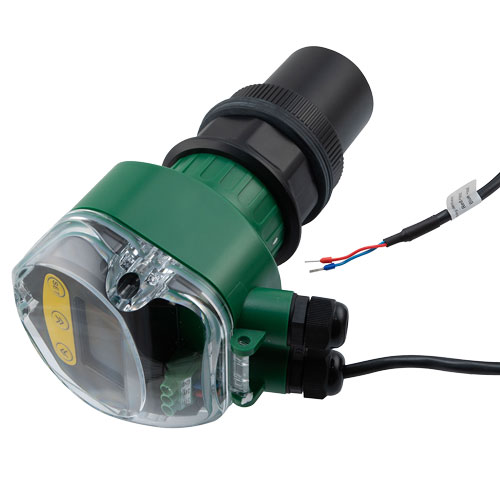
Ultrasonic Level Gauge 5m Range
Pressure, Torque, and Load Cells
These types of physical sensors are used to measure the external force exerted directly on the sensor. Pressure and load cells are designed to measure the amount of force in a single direction. Torque sensors are designed to measure the amount of rotational force, torque, exerted on a rotating body. These sensors can be designed to detect very small forces with high resolution and precision, or may be made to detect very large forces, generally with less accuracy/precision. Torque sensors are important sensors in motor systems and are often used with mobile electronic platforms, such as autonomous mobile robotic (AMR) systems. Pressure sensors and load cells are commonly used in transportation and automated facilities to determine the load on a platform for safety, maintenance, and efficiency purposes.
Physical Object Detection, Motion Detection, and Proximity
The role of physical object, motion, and proximity detectors are to alert and measure the relative position of other objects to that of the IoT sensor platform. These types of sensors are often used with mobile electronics platforms as well as security systems. Robotic systems are likely one of the most well-known applications for physical object detection and proximity sensors, such as limit switches for detecting and ensuring the end-travel of linear actuators or rail-guided systems. Security systems and occupancy sensors are one of the most common uses for motion detection and physical object detection systems designed for human and wildlife detection.
There are many different methods of physical object detection, including passive methods that measure the electromagnetic radiation emitted from living targets. Some active methods of object, motion, and proximity detection only work on objects/materials that have a range of reflectance toward the directed type of energy used for detection. Hence, many platforms used a variety of methods of object, motion, and proximity detection to ensure safety and prevent accidental collisions. These are known as hybrid sensors.
Types of Physical Object, Proximity Detection, and Motion Detection
- Anisotropic Magneto-Resistive (AMR)
- Electromechanical (EMR)
- Pneumatic
- Magnetic
- Inductive (Electromagnetic induction)
- Capacitive
- Photoelectric
- Infrared (IR)
- Passive Infrared (PIR)
- Electromagnetic/RF Radar
- Ultrasonic
- Tomographic
- Laser radar (LIDAR)
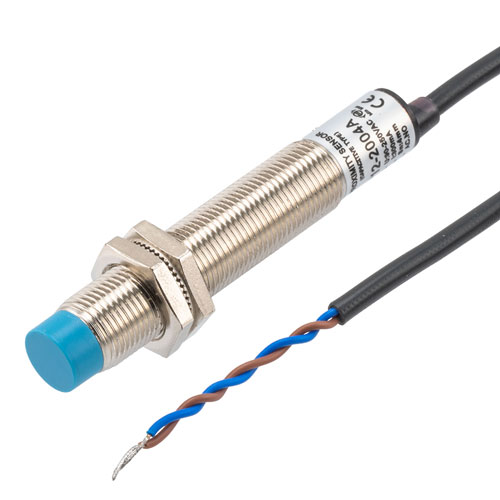
Capacitive Proximity Sensor
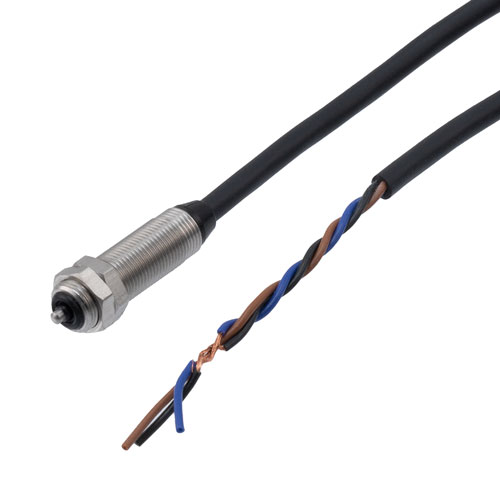
Contact Sensor
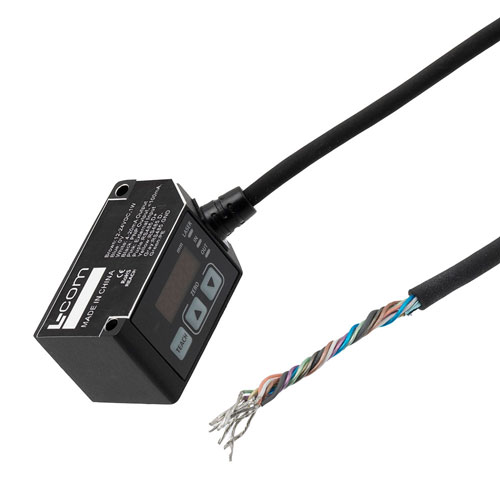
Laser Displacement Sensor
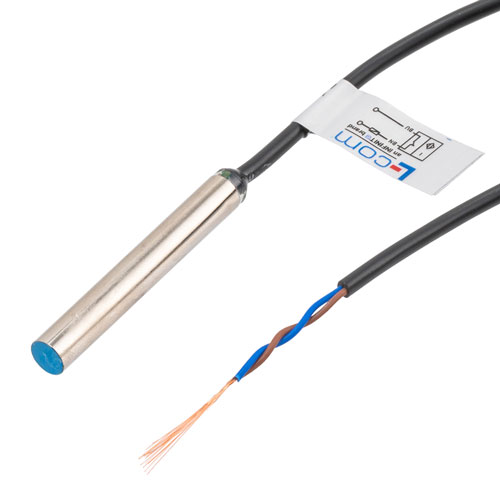
Inductive Proximity Sensor
Speed Sensors
Speed sensors are designed to detect the amount of time it requires an object to move a set distance. In this way, these sensors are able to extract the linear or angular velocity, or speed, of an object or target. Speed sensors can be either internal to a platform or external. For instance, wheel speed sensors on automobiles and autonomous mobile robots can be used to determine the linear velocity of the mobile platform
Types of Speed Sensors
- Magnetic/inductive
- Magnetoresistive
- Variable reluctance
- Hall Effect
- Optical timing
- Gear tooth
- Transmission
- Wheel speed
- Anti-lock brake (ABS)
- Angular
Acoustic (Sound), Noise, Vibration, and Shock
Acoustic sensors, similar to and including microphones, are used to sense vibrations traveling through the air. These sensors are particularly useful for determining the operation of electromechanical systems, such as motors, which tend to emit sound as part of their typical operating behavior. By carefully monitoring the frequency and magnitude of the sound waves emitted by these systems, it is possible to determine operational characteristics. For example, a significant shift in the volume and pitch of the sound from an electromagnetic motor could indicate bearing wear or changes in power quality to the motor.
Noise sensors are similar to acoustic sensors but may only output the absolute noise power that these sensors receive. Noise sensors are often used in workplace safety and compliance scenarios where heavy machinery or other loud equipment is in use. Noise sensors can also be used as part of security systems for sound detection.
Vibration and shock sensors are a different class of sensors that are designed to measure the kinetic energy traveling as vibration and shock through solid structures. Vibration sensors can be used in much the same way as acoustic sensors for determining operational characteristics of machinery and equipment that have characteristic vibrations. Shock sensors are often used to detect impacts and shock to mobile objects in packing/shipping logistics. For these sensors to function they often need to be located on or near machinery, equipment, or objects of concern, and necessitate reliable connectivity as they are generally used for functions significant to operations.
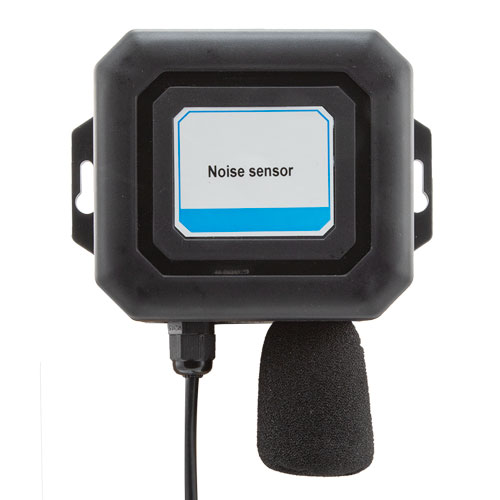
Noise Sensor
Visual Detectors/Sensors & Camera Modules
There are a wide range of visual detectors/sensors and camera modules used throughout the IoT markets. Robotics and automated functions are typically heavily reliant on cameras and visual sensors for machine vision, and there are even certain camera sensors now specifically made for machine vision applications. There are several different frequency spectrums used for visual sensors/cameras, including typical human visual spectrum, infrared (IR), and ultraviolet (UV). Black and white visual sensors are also often used for the lower processing requirements than color sensors. IR and UV cameras/sensors are used in place of, or in conjunction with, human visual spectrum cameras as the reaction of photos of various frequencies can be different depending on the object, and in certain environments there may be less interference/noise in the IR and UV spectrum compared to visual spectrum.
Common types of visual detectors and camera modules
- Visual Spectrum Cameras
- Infrared Cameras
- Ultraviolet Cameras
- Thermal Cameras
- Machine Vision Cameras
Another common visual sensor is thermal sensors. These are passive sensors that detect and measure the thermal energy radiations from objects and can be made into sensor arrays similar to cameras. With enough thermal sensors in an array, the thermal sensor matrix can be used as a thermal camera. If the sensors are calibrated and of good quality, these sensors can be used to accurately measure the surface temperature of objects captured by the sensor. It is now common to see thermal sensors paired with visual spectrum sensors to provide a thermal overlay to visual image information for enhanced discernment.
Depending on the resolution of visual detectors and cameras, the processing and data storage requirements for these sensors may be significant. That is why many cameras and visual sensors for IoT applications have additional preprocessors built into the sensor modules themselves. These sensors are used from automation, robotics, security, quality detection, and various other applications.
Electric, Magnetic, & Electromagnetic Sensors
Electric, magnetic, and electromagnetic sensors, other than visual/camera sensors, are commonly used alongside electrical and electronic systems for monitoring/measurement purposes and are extensively used in human interface technologies. Electromagnetic sensors, such as radar, are also commonly used for object detection, tracking, velocity measurements, and topography.
Voltage, Current, Resistive, and Power Sensors
Voltage and current sensors are commonly employed as external modules and internal circuits that measure the voltage and current used in critical circuits and electrical pathways. If both the voltage and current are monitored on a circuit, the amount of electrical power and energy that circuit uses can be readily calculated. Resistive sensors are similar to voltage and or current sensors that detect the change in resistance (voltage/current). Early touch sensors and some current touch technology is still based on resistive sensors that change resistance as a function of contact with external materials.
There are several different types of current sensors and voltage sensors, but ultimately, these sensors need to be in close proximity to the electrical circuits they are measuring, in many cases on the same circuit board.
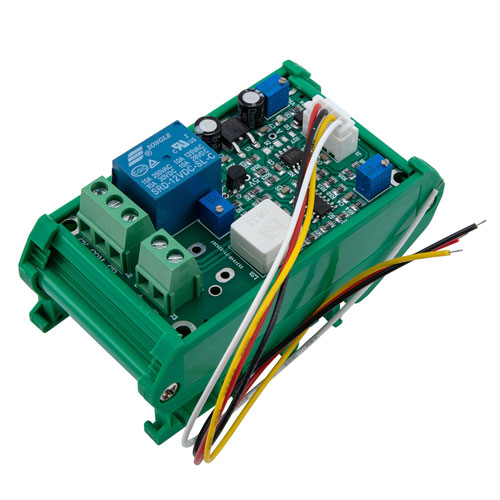
Linear DC Sensor & Overcurrent

AC Current Sensor & Short
Electromagnetic (EM) Field Sensors
EM field sensors are sensors designed to detect and measure electromagnetic field strength and often direction. There are electric field only, magnetic field only, and electromagnetic dual sensor types. These sensors can be used to detect conductive objects in the vicinity, and if properly calibrated and installed, can be used to determine proximity of conductive objects. Magnetic sensors are often used to detect magnetic materials, such as steels, and may also be used to detect magnetic fields generated by electromechanical systems or natural magnetic phenomena.
Capacitive sensors are similar to electric field sensors, with the exception that they may strictly be used to measure charge over volume, capacitance. Hence, these sensors are often calibrated to measure the charge over a set volume. Inductive sensors, similarly, measure inductance, which is prone to changing in the presence of magnetic materials and fields. Many touch sensors are based on capacitive touch sensing technology, which measures the change in capacitance based on the proximity of a finger or other capacitance changing material.
Light, Optical, and Photo Detectors
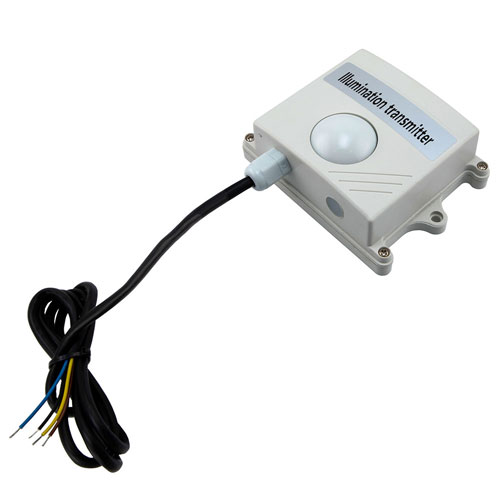
Light, optical, and photodetectors are several names for very similar technology. Unlike visual detectors and cameras, photodetectors are purely designed to detect the presence and severity of a limited frequency of electromagnetic energy in the “light” spectrum. Photodetectors are often used for object detection and proximity detection in robotic systems due to their relatively simple circuitry and long-life cycle of use. Optical and light detectors are also used to detect the presence of light, such as daytime sensors to turn off lighting or to activate other circuits when the light level drops below a specified threshold. These types of sensors are also used as interrupt sensors for object detection in automated processing systems.
Important features to know about photodetectors is that they are sensitive to external light interference, noise, and may not respond well to highly reflective or absorptive materials to the given spectrum of light the photodetectors employ. These sensors are often compact, relatively inexpensive, and the sensor modules must be placed with an external port or opening in the IoT module packaging that can allow for light to pass through.
Chemical Sensors
Chemical sensors represent a complex suite of different sensor types and functions that are often specifically designed to detect a very narrow range of chemical agents. Most chemical sensors are designed to detect/ measure liquids and gaseous chemicals to even extremely small compositions, parts-per-million, and parts-per- billion in some cases.
Common Chemical Sensor Types
- Chemical field-effect transistor
- Chemiresistor
- Electrochemical gas sensor
- Fluorescent chloride sensor
- Hydrogen sulfide sensor
- Nondispersive infrared sensor
- pH glass electrode
- Potentiometric sensor
- Zinc oxide nanorod sensor
The sensor transducer surface for these sensors needs to come into contact with the material, either by liquid exposure or gasses passing over the surface. Hence, these sensors must be placed within the environment that contains the chemicals they are designed to sense.
Toxic/Hazardous Gas Sensors
Toxic/Hazardous gas sensors are used widely throughout facility safety and industrial environments that use toxic/ hazardous gasses. An example of such an application is the semiconductor fabrication industry, where a facility may have several toxic/hazardous gasses in use for various stages of the semiconductor manufacturing process. These sensors tend to be extremely sensitive, as in many cases the toxic/hazardous gasses can be deadly, life-threatening, or hazardous in very low concentrations. In some cases, the hazardous gasses are extremely flammable/combustible, such as with hydrogen gas in an oxygen atmosphere, and it is important to ensure low levels of these gasses in contained environments.
List of Specific Gas Sensors
- Bromine (Br2)
- Carbon Monoxide (CO)
- Chlorine (Cl2)
- Chlorine Dioxide (ClO2)
- Ethylene (C2H4)
- Ethylene Oxide (C2H4O)
- Formaldehyde (HCHO)
- Hydrazine(s):
- (H2NNH2, CH3NHNH2, [CH3]2NNH2)
- Hydrogen (H2)
- Hydrogen Bromide (HBr)
- Hydrogen Chloride HCl)
- Hydrogen Cyanide (HCN)
- Hydrogen Peroxide (H2O2)
- Hydrogen Sulfide (H2S)
- Nitric Oxide (NO)
- Nitrogen Dioxide (NO2)
- Ozone (O3)
- Peracetic Acid (C2H4O3)
- Propylene Oxide (C3H6O)
- Sulfur Dioxide (SO2)
One of the most common IoT gas sensors is a CO2 sensor. These are often used in homes and domiciled to ensure occupant safety and are commonly paired with or contained within smoke detectors.
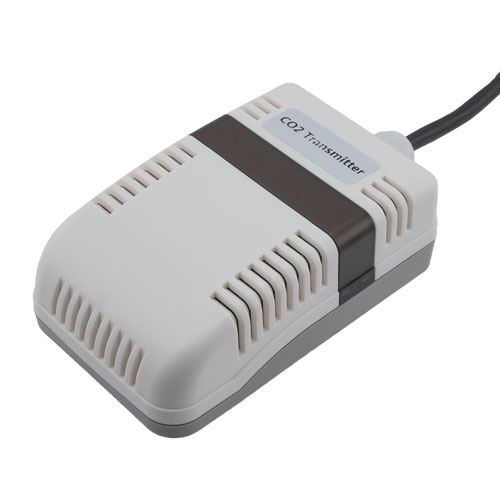
CO2 Transmitter
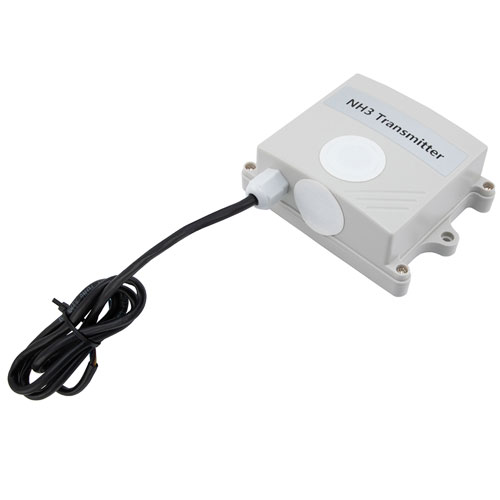
Ammonia Gas Transmitter
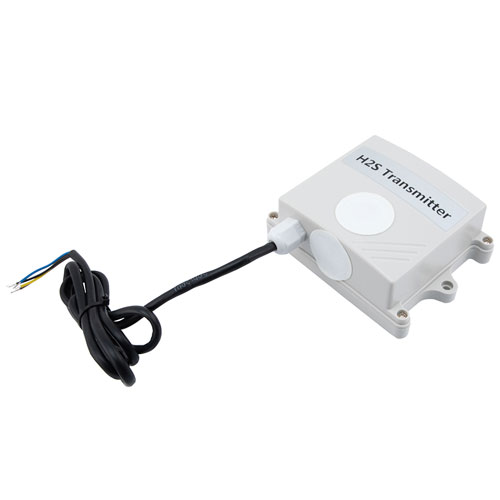
H2S Gas Transmitter
Radiation Sensors
Radiation sensors, or Rad sensors, are used widely in the nuclear power industry and atomic weapons fabrication. These sensors are often used to measure the exposure of an occupant in a nuclear facility to ensure their exposure levels are below a certain threshold. These sensors may also be used at regular checkpoints, border crossings, and other strategic locations to detect nuclear weapons or materials. These sensors are precision modules that are calibrated to accurately measure certain types of radiation, and often need to be paired with radiation resistant electronics to ensure they can operate even in environments with higher-than-normal radiation exposure.
Soil Sensors
Soil sensors are specialized chemical sensors to detect the chemical composition of soils, typically used for agriculture and environmental cleanup/remediation. A typical type of soil sensor is a different probe that uses electric signals to determine certain compositions of the soil. Soil monitoring is typically done periodically, but with greater use of autonomous mobile robotic systems in agriculture, these sensors may become more widely used for soil analytics for agriculture.
Biological Sensors (Biosensors)
Biosensors are becoming a mainstay of many portable/personal electronic devices, such as smartwatches, smartrings, smartphones, smart clothing, smart jewelry, and smart personal medical electronics. For many with chronic conditions, medical IoT devices with biological sensor suites are becoming standard practice to provide medical personnel with enhanced insights of their patients’ conditions and to monitor/predict potential acute events. An example of widely used biosensors are thermal cameras used to detect fever in humans passing transportation checkpoints or in hospitals.
Common IoT Biological Sensors
- Blood glucose
- Blood oxygen
- Blood saline content
- Heart rate
- Alcohol
For certain types of cattle and livestock, biological sensors are also becoming employed to better monitor the health and condition of dairy and meat animals. In some cases, biological sensors are even being used on wild animals to monitor their vitals and to aid researchers and species specialists in endangered animal protection/ recovery.
Biosensor types
- Amperometric
- Potentiometric
- Impedimetric
- Voltammetric
- Piezoelectric
- Thermometric
- Optical
- Enzyme
- Immunosensors
- Magnetic
- Resonant
- Thermal detection
As more medical device technologies become more readily integrated into wearables or portable electronics, there will likely be a much wider range of
Alcohol Sensors
IoT Alcohol sensors are an emerging sensor type designed for road safety and personal health monitoring. Other than the typical alcohol breathalyzer type, there are now non-invasive and even real-time blood alcohol monitoring systems that measure the alcohol content of blood based on alcohol excreted in sweat, alcohol metal oxide (MOX) sensors. These sensors may become a sensor used in some smart watches/rings or even smart steering wheels to alert the user of excessive alcohol blood content and suitability for driving safely/legally.
Read About Internet of Things (IoT) Sensors and Applications Primer
The IoT Sensor Applications White Paper demonstrates how connected sensors are transforming industries by enabling real-time monitoring, intelligent automation, and data-driven decision-making. As IoT ecosystems continue to expand, organisations must focus on building reliable, scalable, and well-integrated infrastructure to fully realize these benefits.
Success in IoT is not just about deploying sensors; it’s about ensuring seamless connectivity, efficient data management, and long-term scalability. With the right strategy and technology partners, businesses can unlock new levels of efficiency, innovation, and operational control.
Conclusion
The IoT is a dynamic and growing industry, poised to enable an endless possibility of data driven applications. IoT sensors are intrinsic to many future operations in commercial, industrial, enterprise, educational, government, military, and virtually all applications where electrical and electronic systems are deployed. The backbone of IoT sensors are the sensor transducers themselves, the methods of conditioning/digitizing the sensor data, and the platform that handles the communications, power, and control of the sensors. Understanding the types of IoT sensors and the nuances of various aspects of IoT sensors can help IoT product developers make more informed decisions on the type of IoT sensors best for their application as well as prepare in advance to solving the various design an integration challenges associated with equipping IoT devices with IoT sensors.
As the IoT landscape continues to expand, a holistic understanding of these devices, from their basic operation to their limitations, becomes increasingly vital for innovators, developers, and users alike. Future advancements in IoT sensor technology will no doubt seek to address current challenges, pushing the boundaries of what is possible in the realm of interconnected devices.
Resources
1. https://www.thomasnet.com/articles/instruments-controls/types-of-internet-of-things-iot-sensors/
2. https://www.finoit.com/blog/top-15-sensor-types-used-iot/
3. https://www.l-com.com/iot
Frequently Asked Questions
A: IoT sensor applications involve using connected sensors to collect and transmit real-time data for monitoring, automation, and decision-making.
A: Industries such as manufacturing, healthcare, agriculture, logistics, energy, and smart cities benefit significantly from IoT sensor deployments.
A: Reliable connectivity ensures that sensor data is transmitted accurately and consistently, enabling real-time monitoring and analytics.